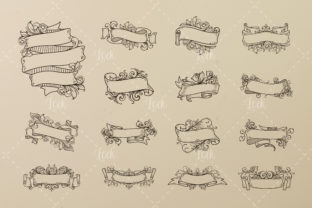
Floral Baroque: Evaluating Style, Format Versatility, and Design Application
The intersection of historical art movements and modern digital design often yields resources that are as complex as they are versatile. Floral Baroque represents a specific niche within this intersection, combining the dramatic, ornate characteristics of 17th-century European art with contemporary vector scalability. For designers, crafters, and content creators aged 20 to 50, selecting the right asset pack is rarely just about aesthetic preference; it is a decision involving technical compatibility, workflow efficiency, and long-term utility. Understanding what distinguishes Floral Baroque from generic vintage or botanical styles is essential for determining whether this specific collection aligns with current project requirements or if an alternative approach would yield better results.
Defining the Aesthetic Distinctions of Floral Baroque
To evaluate this resource effectively, one must first distinguish true Floral Baroque from adjacent styles like Rococo, Victorian, or Art Nouveau. While these categories all feature floral motifs, their structural philosophies differ significantly. Floral Baroque is characterized by high contrast, dynamic movement, and a sense of theatrical abundance. Unlike the pastel lightness and asymmetry of Rococo, Baroque florals possess weight and gravity. They often utilize deep shadows (chiaroscuro), rich gold accents, and dense compositions that convey luxury and permanence.
This distinction matters practically because the visual weight of Baroque elements dictates their application. In web design, for example, a Floral Baroque header demands significant negative space to prevent visual clutter, whereas a delicate Art Nouveau border might integrate more seamlessly into text-heavy layouts. When comparing options, assess whether your project requires the commanding presence of Baroque or the subtle background texture of lighter vintage styles. If the goal is to create a focal point, a luxury brand identity, or high-impact packaging, the inherent drama of Floral Baroque is a functional advantage. However, for minimalist interfaces or corporate stationery requiring understated elegance, this style may introduce unnecessary visual noise.
Evaluating File Formats: AI, EPS, PNG, and SVG
A critical factor in choosing digital design assets is the breadth and quality of included file formats. This Floral Baroque set provides AI, EPS, PNG, and SVG files, covering the spectrum from professional print production to accessible web implementation. Comparing this multi-format approach against single-format alternatives reveals distinct tradeoffs in workflow flexibility.
Vector Mastery: AI and EPS
The inclusion of AI (Adobe Illustrator) and EPS files targets users who require total editability. These are the industry standards for print design, large-format signage, and merchandise production. Unlike raster-only packs, these vectors allow you to separate individual petals, adjust color curves without degradation, and scale elements to billboard size. When evaluating this against cheaper or free alternatives that only offer flattened JPEGs, consider the long-term value of editability. If you anticipate needing to match specific brand Pantone colors or resize elements for varying aspect ratios, the AI/EPS formats are non-negotiable. The tradeoff is a steeper learning curve; these files require vector software proficiency and are not plug-and-play for casual users.
Web and Accessibility: SVG and PNG
For digital-first projects, the SVG format offers resolution independence with minimal file size, making it superior to PNG for responsive websites. SVGs can be animated via CSS and styled dynamically, offering interactivity that static images cannot match. However, complex Baroque details can sometimes result in larger SVG code than simpler geometric icons. Users should test rendering performance on target devices. The PNG files serve as a universal fallback, providing transparency for quick mockups, social media graphics, or users without vector software. While less flexible than vectors, high-resolution PNGs bridge the gap between professional quality and accessibility for DIY crafters using tools like Canva or Cricut.
Comparative Analysis: Premium Assets vs. Free Alternatives
The market is saturated with free vintage floral resources, raising the question of when a curated, high-quality set like Floral Baroque is justified over open-source options. The comparison generally hinges on three factors: uniqueness, technical cleanliness, and licensing security.
- Uniqueness and Saturation: Free repositories often recycle the same public domain scans or overused stock vectors. Floral Baroque assets, particularly those created as cohesive sets, offer original compositions that reduce the risk of your design looking generic. For commercial products where differentiation is key, unique assets provide a competitive edge that free libraries rarely sustain.
- Technical Cleanliness: High-quality vector files are organized with logical layer structures, named groups, and closed paths. Many free vectors suffer from stray anchor points, unexpanded strokes, or messy grouping that adds hours of cleanup time. Evaluate your hourly rate against the cost of the asset; if cleaning up a free file takes two hours, a premium set is often more economical.
- Licensing Clarity: Commercial use requires clear provenance. Curated sets typically include explicit license terms suitable for resale, POD (Print on Demand), and client work. Free resources often have ambiguous attribution requirements or restrictive licenses that pose legal risks for business applications.
Conversely, free alternatives remain valid for personal projects, educational practice, or low-stakes internal drafts where budget constraints outweigh the need for exclusivity or pristine organization. The decision should be based on the project's commercial viability and the value placed on development time.
Practical Applications and Best-Fit Scenarios
Understanding where Floral Baroque excels helps prevent misapplication. Based on its visual properties and format versatility, this style is particularly effective in specific contexts while being less suitable for others.
Ideal Use Cases
- Luxury Packaging and Label Design: The intricate detail and historical association with opulence make these florals ideal for wine labels, perfume boxes, and artisanal food packaging. The vector formats ensure crisp printing at small scales, while the aesthetic communicates premium value.
- Event Stationery and Wedding Suites: Baroque florals photograph beautifully and translate well to foil stamping and letterpress. The ability to recolor AI/EPS files allows designers to create cohesive suites across invitations, menus, and signage without purchasing multiple disparate packs.
- DIY Crafts and Textile Printing: For makers using cutting machines or sublimation printers, the provided SVG and PNG files offer immediate utility. The bold lines of Baroque designs cut cleaner than wispy botanicals, reducing material waste and machine errors.
- Editorial and Blog Design: As section dividers, drop caps, or feature image overlays, these elements add sophistication to digital content. The SVG format ensures sharpness on Retina displays, enhancing perceived site quality.
Situations Requiring Alternatives
Despite its strengths, Floral Baroque is not universally applicable. Projects demanding modern minimalism, tech-forward aesthetics, or child-centric playfulness may find the style too heavy or historically loaded. In such cases, line-art botany, abstract organic shapes, or flat-design illustrations may communicate more effectively. Additionally, if file size is a critical constraint for mobile-first web performance and the design does not require infinite scaling, optimized raster formats or CSS-generated patterns might outperform detailed vector Baroque assets.
Making an Informed Decision
Selecting the right Floral Baroque resource involves balancing aesthetic alignment with technical pragmatism. Ask the following evaluative questions before integration:
- Does the visual weight support or compete with my core content?
- Do I have the software and skills to leverage the AI/EPS files, or will I rely solely on PNG/SVG?
- Is the time saved by using pre-made, organized assets worth the investment compared to creating custom illustrations or modifying free resources?
- Will this style remain relevant for the intended lifespan of the project, or is it tied to a fleeting trend?
Ultimately, high-quality Floral Baroque files serve as a foundational toolkit rather than a prescriptive solution. Their value lies in the combination of historical richness and modern adaptability. By understanding the specific attributes of the style and the practical implications of each file format, designers and creators can determine whether this resource fills a genuine gap in their library or if another direction better serves their strategic objectives. The goal is not merely to acquire assets, but to secure tools that enhance both creative expression and operational efficiency.