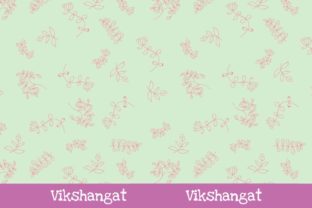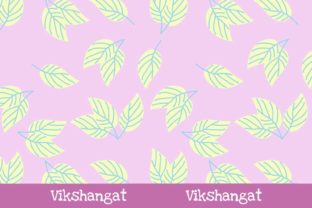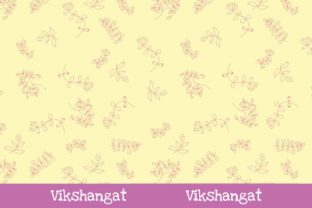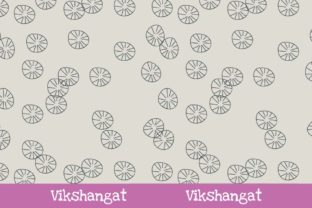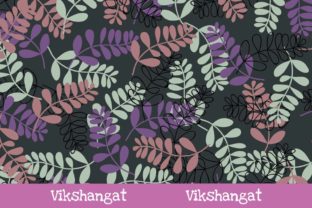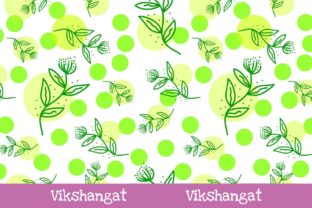
Floral Seamless Pattern Background 10: Creative Uses
Great design often lives in the details, and few elements offer as much immediate visual impact as a well-crafted repeat. Floral Seamless Pattern Background 10 provides a versatile foundation for creators who need botanical elegance without sacrificing modern usability. This specific asset strikes a balance between organic flow and structured repetition, making it an essential tool for surface designers, textile artists, and digital marketers alike. Whether you are developing a new product line or simply refreshing a blog layout, understanding how to leverage this pattern effectively can elevate your work from standard to professional.
The true value of this resource lies in its technical flexibility and aesthetic adaptability. It is not merely a pretty picture; it is a functional design component available in multiple formats to suit various production needs. By including high-resolution JPEG and PNG files alongside a vector-based .EPS file, this package ensures that your creative vision remains intact regardless of the final output medium. The raster files offer immediate plug-and-play convenience for digital projects, while the EPS format guarantees infinite scalability for large-format printing and precise color editing.
Technical Versatility Across File Formats
Choosing the right file type is just as important as selecting the right motif. Each format included with Floral Seamless Pattern Background 10 serves a distinct purpose in a professional workflow. Understanding these distinctions prevents common production errors like pixelation or color mismatching.
- JPEG Files: Ideal for web backgrounds, social media graphics, and digital mockups. These files are compressed for fast loading times while retaining sufficient detail for screen viewing. They are perfect when file size matters more than transparency.
- PNG Files: Essential for layered designs where you need to overlay text or other graphics. If the pattern includes transparent elements or if you plan to use blending modes in Photoshop, the PNG format preserves edge quality without the artifacts sometimes found in JPEGs.
- .EPS File: The industry standard for print production and surface design. As a vector-based format, it allows you to scale the pattern to the size of a billboard or shrink it for a business card without losing clarity. Crucially, it enables you to separate color layers, adjust individual floral elements, and match specific Pantone colors for manufacturing.
Applications in Textile and Surface Design
For surface designers and fashion entrepreneurs, Floral Seamless Pattern Background 10 offers a sophisticated starting point for physical products. The seamless nature of the tile means there are no visible breaks or awkward joins when applied to continuous yardage. This is critical for fabric printing, where registration errors can ruin entire bolts of material.
Consider the application for gift wrap and packaging. The botanical theme carries an inherent sense of care and craftsmanship, making it ideal for artisanal brands, florists, or boutique retailers. When designing wrapping paper, utilize the .EPS file to create custom colorways that align with seasonal branding. A soft pastel variation might suit spring collections, while deepening the saturation could transform the same pattern into an autumnal luxury wrapper. The pattern’s density also plays a role here; ensure the scale is appropriate for the item being wrapped so the motif does not get lost in folds or appear overwhelmingly large on small boxes.
In home decor, this pattern translates beautifully to wallpaper and upholstery. However, context dictates scale. For a feature wall in a dining room, a larger scale creates drama and focal interest. Conversely, for a powder room or a narrow hallway, reducing the pattern size can add texture without overwhelming the space. Always print physical test swatches before committing to full production, as screen colors rarely match ink absorption on paper or fabric perfectly.
Digital Integration for Marketers and Bloggers
Creatives working in digital spaces face different challenges, primarily centered around readability and load performance. Floral Seamless Pattern Background 10 serves as an excellent backdrop for websites, newsletters, and social content, but it requires thoughtful implementation to remain effective.
When using this pattern as a website background, contrast is paramount. Text must remain legible against the floral motifs. Use the PNG version with reduced opacity or apply a solid color overlay to push the pattern into the background visually. This technique adds depth and brand personality without competing with your primary content. For bloggers, this pattern works exceptionally well in sidebar widgets, footer sections, or as a header accent rather than a full-page body background.
Social media creators can utilize the JPEG files to establish consistent visual branding across platforms. Create templates for quotes, announcements, or product showcases where the pattern occupies negative space. This consistency helps build audience recognition over time. Because the pattern is seamless, you can crop it freely to fit Instagram stories, Pinterest pins, or LinkedIn banners without worrying about alignment issues at the edges.
Customization Strategies for Originality
While Floral Seamless Pattern Background 10 is ready to use out of the box, the most compelling projects often involve some level of customization. Relying solely on stock assets can sometimes lead to generic results, but treating this file as a base layer unlocks unique creative potential.
Color Grading and Recoloring
The .EPS file is your most powerful tool for differentiation. Open it in Adobe Illustrator or Affinity Designer to recolor the entire palette instantly. Experiment with trending color combinations or extract hues directly from your existing brand guidelines. Changing the background color alone can shift the mood from vintage to contemporary. You might also try isolating specific flower types within the pattern to create coordinating solids or secondary prints, building a cohesive collection rather than a single standalone design.
Scale and Rotation Adjustments
Do not feel bound by the default orientation. Rotating the pattern by 45 degrees can create a dynamic diagonal flow that feels entirely different from the standard horizontal repeat. Similarly, playing with extreme scales—either zooming in until the flowers become abstract shapes or zooming out to create a dense texture—can yield surprising results. These variations allow you to maximize the utility of a single asset across multiple touchpoints in a project.
Mixing Media and Overlays
Combine the digital precision of this pattern with organic textures. Overlaying grain, watercolor washes, or metallic foils onto the base pattern adds tactile richness that pure vector art sometimes lacks. This hybrid approach is particularly effective for wedding stationery, luxury packaging, and high-end editorial layouts where sensory appeal drives engagement.
Best Practices for Professional Results
To maintain high standards across all applications, adhere to a few practical guidelines. Organization is key; keep your source files labeled clearly and store them in a centralized asset library. When delivering work to clients or printers, always confirm their preferred specifications regarding resolution and color profile. A 72 DPI RGB JPEG is useless for offset printing, just as a CMYK EPS is unnecessary for a web banner.
Respect the integrity of the repeat. If you edit the pattern, ensure your modifications maintain the seamless tiling property. Accidental shifts in anchor points can create visible seams that undermine the professional finish. Most design software includes specific tools for defining pattern tiles; use them rather than manually guessing alignment.
Finally, consider your end audience. A pattern that delights a niche botanical illustrator might distract users on a corporate finance site. Floral Seamless Pattern Background 10 is inherently adaptable, but its success depends on your ability to modulate its presence. Use it to support your message, not replace it. When applied with intention and technical awareness, this asset becomes more than just a decoration; it becomes a reliable component of a robust creative toolkit.