Evaluating Floral Wood Digital Papers and Rustic Wood Textures for Creative Projects
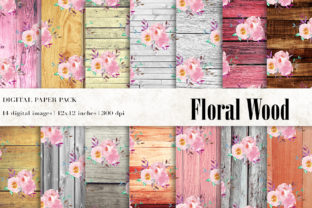
The intersection of organic texture and botanical illustration defines the niche of floral wood digital papers. For designers, crafters, and DIY enthusiasts, selecting the right background asset is rarely just about aesthetics; it is a functional decision involving resolution, printability, and thematic consistency. When considering a specific collection, such as a set of 14 floral wood digital papers featuring rustic wood grains, the evaluation process should extend beyond visual appeal to include technical specifications and practical application limits. Understanding what distinguishes this hybrid style from standard wood textures or flat floral patterns is essential for making an informed resource choice.
Defining the Hybrid Aesthetic: Rustic Wood Meets Botanical Art
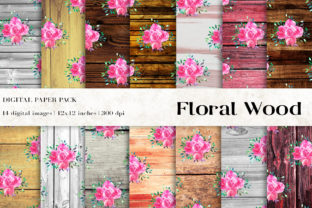
Floral wood digital papers represent a distinct subcategory within surface design. Unlike traditional wood textures that focus solely on grain, knots, and weathering, or floral patterns that exist on solid color backgrounds, this style integrates botanical elements directly into the timber surface. The result is a textured canvas where the imperfections of rustic wood serve as the foundation for delicate floral overlays. This combination creates a sense of depth and history that flat vector art cannot replicate.
In a set of 14 unique designs, variety is a key performance indicator. A high-quality rustic wood paper collection should offer diversity in both the wood tone and the floral treatment. Some designs may feature light, whitewashed barn wood with subtle pastel blooms, suitable for spring themes or baby stationery. Others might utilize dark, stained oak or reclaimed pallet textures paired with vibrant, high-contrast florals for autumnal or vintage projects. When evaluating these assets, look for a balance between the opacity of the flowers and the visibility of the wood grain. If the floral layer completely obscures the texture, the file functions merely as a patterned background rather than a true mixed-media digital paper.
Technical Specifications and Print Viability
For any digital asset intended for physical production, technical specifications are non-negotiable. The standard benchmark for this category is 12x12 inches at 300 DPI (dots per inch) in JPG format. This specification is significant for several reasons when compared to alternative formats or lower-resolution options.
- Resolution Integrity: At 300 DPI, a 12x12 inch file contains sufficient pixel data for professional-grade printing. Lower resolution files (72 or 150 DPI) may appear crisp on screen but will produce pixelated or muddy results when printed on cardstock or photo paper. For projects like handmade stationery or decorated furniture, this clarity is vital.
- Format Tradeoffs: JPG is the industry standard for digital scrapbooking due to its universal compatibility and manageable file size. However, users requiring extensive color correction or layer manipulation might prefer PNG or TIFF formats. While JPGs in this set are high quality, they are flattened images. If your workflow demands separating the flowers from the wood background, this format will require advanced masking techniques rather than simple layer toggling.
- Sizing Flexibility: The 12x12 inch dimension aligns with standard scrapbook album sizes. However, for smaller applications like planner stickers, tags, or business cards, this large canvas provides ample room for cropping and resizing without quality loss. Conversely, using these papers for large-format wrapping paper or furniture decoupage may require tiling, which can reveal repetitive seams if not managed carefully in post-production.
Comparative Analysis: Digital Papers vs. Physical Alternatives
When planning a project, creators often weigh digital downloads against physical supplies. Understanding the strengths and limitations of floral wood digital papers compared to physical rustic wood or pre-printed scrapbook paper helps determine the most efficient path.
Digital Papers vs. Real Reclaimed Wood
Authentic reclaimed wood offers unmatched tactile authenticity but presents significant logistical challenges. It is heavy, expensive, difficult to ship, and inconsistent in dimension. Digital rustic wood papers eliminate these barriers, providing a uniform, lightweight aesthetic that can be applied to curved surfaces, paper goods, or web interfaces where real wood is impossible to use. The tradeoff is the lack of physical texture; while the visual representation of grain is accurate, the surface remains smooth. For projects where tactile engagement is primary, such as luxury packaging or high-end furniture restoration, digital prints may feel insufficient. For visual communication, invitations, or journal covers, the digital alternative offers superior versatility.
Digital Sets vs. Pre-Printed Paper Pads
Physical paper pads offer immediate gratification and guaranteed color matching. However, they are finite resources; once a sheet is cut, it is gone. A digital set of 14 papers allows for infinite reproduction. This makes digital assets significantly more cost-effective for high-volume projects like wedding favors, party decorations, or small business packaging. Additionally, digital files allow for color grading and brightness adjustments to match specific brand palettes or event themes, a flexibility that pre-printed papers cannot offer. The downside is the requirement for printing equipment and color management knowledge to ensure the digital file translates accurately to the physical medium.
Application Suitability and Best-Fit Scenarios
The versatility of floral wood digital papers spans numerous categories, but they are not universally optimal for every task. Evaluating fit based on project type ensures resources are used effectively.
Ideal Use Cases:
- Scrapbooking and Memory Keeping: The 12x12 format is native to this hobby. The rustic aesthetic pairs exceptionally well with vintage photography, outdoor portraits, and heritage documentation.
- Handmade Stationery and Invitations: The texture adds perceived value to flat cardstock. Floral wood backgrounds work particularly well for rustic weddings, garden parties, and botanical-themed events where the design needs to feel organic yet polished.
- Product Packaging and Branding: For artisans selling candles, soaps, or jewelry, these papers provide a cohesive unboxing experience. They photograph well for social media, creating a consistent brand backdrop that reinforces a natural or handcrafted identity.
- Decoupage and Furniture Upcycling: When sealed properly, high-resolution digital prints can transform dressers, trays, or boxes. The wood-grain base helps hide minor application imperfections better than solid colors or geometric patterns.
Limitations and Alternative Considerations:
- Corporate or Tech Design: While versatile, the rustic floral aesthetic carries strong connotations of nostalgia, nature, and femininity. It may clash with modernist, minimalist, or tech-forward branding. In these contexts, clean vectors or solid textures are often more appropriate.
- Text-Heavy Layouts: Highly detailed floral wood papers can compete with body copy. If the primary goal is readability, such as in book interiors or informational brochures, these textures should be used sparingly as headers or borders rather than full-page backgrounds. Solid colors or low-opacity overlays are safer choices for dense text.
- Large Format Signage: While 300 DPI is excellent for handheld items, viewing distances for signage are greater. Depending on the final print size, a 12x12 source file may need upscaling, which can introduce artifacts. Vector-based wood textures or dedicated large-format raster files are preferable for banners or wall murals.
Decision Factors for Resource Selection
When comparing this set of 14 floral wood digital papers against other market options, consider the following decision matrix to validate the purchase:
- Cohesion vs. Variety: Does the set offer enough variation to prevent repetition in a multi-page project, while maintaining enough stylistic consistency to belong together? A good set balances unique designs with a unified color story.
- Texture Authenticity: Zoom in to 100%. Do the wood pores and floral edges retain definition, or do they blur? High-quality digitization preserves micro-details that sell the illusion of a mixed-media surface.
- Licensing Terms: Verify usage rights. For business cards, logos, or products intended for resale, commercial licensing is mandatory. Personal-use-only licenses restrict many of the applications listed above.
- Workflow Compatibility: Ensure the JPG format integrates with your current software ecosystem. While universally supported, confirm that your specific printer or print service accepts customer-supplied JPGs at the required dimensions without forced compression.
Ultimately, floral wood digital papers serve as a bridge between the warmth of traditional craftsmanship and the efficiency of digital design. They are best suited for creators who value organic aesthetics but require the scalability and editability of digital assets. By assessing technical specs, comparing against physical and digital alternatives, and aligning the resource with specific project constraints, users can determine whether this particular rustic wood collection is the right foundation for their creative work. The value lies not just in the number of files received, but in their ability to solve specific design challenges across print, digital, and physical crafting mediums.