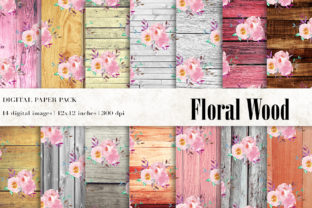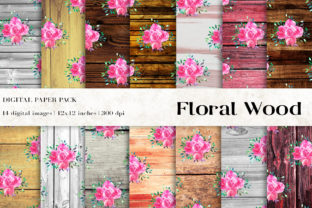
Floral Wood Digital Papers for Design
Elevating a visual identity often requires balancing organic warmth with structured professionalism, a challenge that Floral Wood Digital Papers address with remarkable versatility. For graphic designers and brand strategists seeking texture without sacrificing clarity, this set of 14 Floral Wood Digital Paper assets provides a sophisticated foundation for diverse creative projects. These high-resolution backgrounds bridge the gap between rustic charm and modern aesthetics, offering a tactile quality that flat colors simply cannot achieve in contemporary visual design.
The Role of Texture in Modern Visual Communication
In an era dominated by minimalist UI design and clean typography, introducing natural textures creates necessary visual interest and emotional connection. This specific collection features wood scrapbook paper and rustic wood paper styles that serve as more than mere decoration; they function as strategic design elements. When integrated into branding or editorial layouts, these textures ground digital experiences, making them feel more approachable and authentic. The 12x12 inch format at 300dpi ensures that whether you are designing a business card or a large-format banner, the grain detail remains crisp and professional.
Effective visual hierarchy relies on contrast, and the interplay between floral motifs and wood grain offers a unique opportunity to guide viewer attention. Unlike busy photographic backgrounds, these digital papers provide enough pattern to establish mood while maintaining sufficient negative space for legible typography. This balance is crucial for maintaining readability in marketing materials and ensuring that key messages remain the focal point of the composition.
Practical Applications Across Design Disciplines
The utility of this JPG format set extends far beyond traditional scrapbooking. Professional creators can leverage these assets to enhance various aspects of brand identity and product presentation. The consistent style across all 14 files allows for cohesive storytelling across different touchpoints, which is essential for building recognition and trust.
- Packaging Design: Use rustic wood paper as a base layer for product labels or box wraps to convey artisanal quality and sustainability.
- Stationery and Invitations: Perfect for wedding suites, place cards, and tags where tactile elegance enhances the guest experience.
- Digital Marketing: Create engaging social media graphics and website headers that stand out in feeds saturated with solid colors.
- Merchandise and Apparel: Apply patterns to tote bags, journals, or hardcovers to create desirable physical products that reinforce brand aesthetics.
- Event Branding: Maintain visual consistency from digital invites to physical decor, signage, and party favors.
Integrating Assets into Professional Workflows
When incorporating Floral Wood Digital Papers into a design workflow, consider how the texture interacts with your existing color palette and typeface choices. High-resolution 300dpi files allow for significant scaling and manipulation without pixelation, giving designers the freedom to crop, overlay, or adjust opacity to suit specific layout needs. For logo design and business cards, using these textures as subtle overlays rather than dominant backgrounds can add depth without compromising the scalability required for small-format print.
Consistency is key when utilizing creative assets across multiple platforms. Because this set includes 14 coordinated designs, it supports comprehensive campaign planning. A designer might use one variation for a website hero section, another for packaging inserts, and a third for Instagram stories, ensuring the brand narrative remains unified. This level of coordination improves user experience by creating familiar visual cues that audiences associate with the brand.
Furthermore, these assets support sustainable design practices by reducing the need for physical material sourcing during the prototyping phase. Designers can visualize how rustic or botanical themes will translate to final production before committing to expensive printing techniques like embossing or specialty stocks. This efficiency streamlines the creative process and allows for rapid iteration based on client feedback or market testing.
Ultimately, the value of quality creative assets lies in their ability to solve communication problems while enhancing aesthetic appeal. By thoughtfully selecting and applying textured backgrounds, designers can transform generic layouts into memorable brand experiences. Whether used for decoupage, digital interfaces, or printed collateral, the right visual foundation ensures that every project communicates with both precision and personality, reinforcing the importance of intentional resource selection in professional design practice.