Fabric Floral Design Pattern in Vintage: Elevating Projects with Soft Pink Vector Art
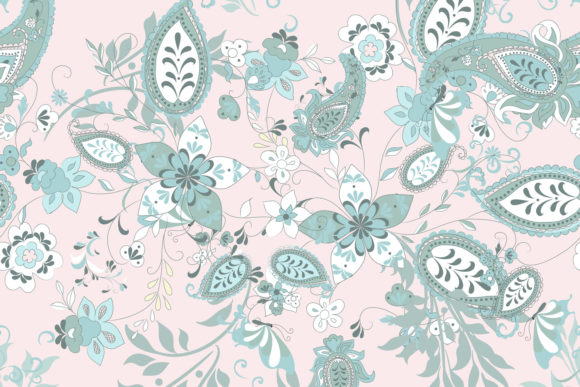
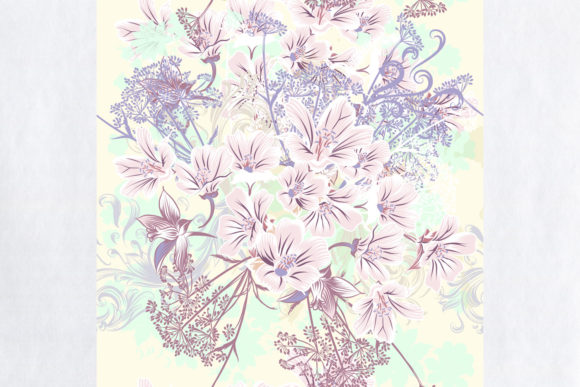
There is a distinct warmth to a fabric floral design pattern in vintage style that modern digital prints often struggle to replicate. When you work with a collection featuring soft pink flowers rendered as 100 vector art, you are not just downloading a graphic; you are accessing a scalable aesthetic that bridges the gap between nostalgic hand-drawn charm and crisp, contemporary production standards. The specific combination of vintage sensibilities with vector technology solves one of the most persistent headaches for designers and makers: maintaining the organic, imperfect beauty of traditional textile art while ensuring it looks flawless on everything from a business card to a billboard-sized banner.
The Practical Advantage of Vector-Based Vintage Florals
While raster images have their place, applying a fabric floral design pattern in vintage aesthetics through vector formats like AI CS2 and EPS10 changes the workflow entirely. For those working in surface pattern design or textile printing, this distinction is critical. Rasterized vintage patterns often suffer when resized, losing the delicate line work that defines the genre. With vector art, the soft pink petals and intricate stems remain mathematically precise regardless of scale.
This scalability is particularly valuable for professionals who need to adapt a single design asset across multiple touchpoints. A fashion designer might use the pattern at 100% scale for a dress bodice but need to shrink it to 10% for matching scrunchies or hair accessories. In both instances, the hand-drawn characteristics are preserved without pixelation. Similarly, stationery designers can utilize the same file for a large wedding invitation suite and a tiny thank-you sticker, confident that the vintage texture remains sharp. The inclusion of a 5000x5000 px JPEG preview serves as an excellent reference tool for quick mockups or client approvals before committing to the heavier vector files for final production.
Real-World Applications Across Creative Industries
The versatility of a soft pink vintage floral extends far beyond simple fabric printing. Understanding where this specific aesthetic thrives helps creators maximize its potential.
Bridal and Event Stationery
Soft pink florals are a staple in the wedding industry, but trends have shifted toward more romantic, heirloom-quality visuals rather than flat, generic clip art. A fabric floral design pattern in vintage style offers that curated, timeless feel. Wedding stationers can manipulate individual vector elements to create custom borders, monogram frames, or table number backgrounds. Because the artwork is vector-based, colors can be adjusted to match specific Pantone swatches for bridesmaid dresses or venue decor, ensuring a cohesive visual identity that feels bespoke rather than templated.
Sustainable and Slow Fashion Brands
Independent clothing labels focusing on sustainable practices often lean into vintage aesthetics to signal quality and longevity over fast fashion trends. Using a high-quality vector floral allows these brands to develop signature textiles without the cost of commissioning original illustrations from scratch. The ability to recolor the soft pink base to seasonal variations—perhaps a dusty rose for autumn or a pale blush for spring—extends the lifecycle of a single design asset. This efficiency supports smaller production runs and reduces waste, aligning perfectly with the ethos of slow fashion.
Digital Product Design and Packaging
E-commerce sellers, particularly those in beauty, skincare, and artisanal foods, frequently seek packaging that conveys natural ingredients and gentle care. A vintage floral pattern suggests botanical origins and feminine elegance. On product labels, boxes, and tissue paper, the crisp lines of vector art ensure legibility even at small sizes. Unlike photographic florals which can look muddy when printed on textured kraft paper or matte cardstock, vector lines hold their integrity, making the packaging look premium and professionally designed.
Navigating File Formats and Technical Considerations
When integrating this type of asset into your workflow, understanding the deliverables ensures a smoother creative process. The package typically includes three distinct components, each serving a specific purpose:
- AI CS2 File: This is your master source file. Being saved in CS2 format ensures backward compatibility with older versions of Adobe Illustrator, which is helpful if you are collaborating with print shops or team members using legacy software. This file contains all editable paths, layers, and color groups.
- EPS10 File: The universal standard for vector exchange. If you use CorelDRAW, Affinity Designer, or other non-Adobe software, the EPS10 is likely your primary working file. It preserves the vector data reliably across different platforms.
- JPEG Preview (5000x5000 px): While not intended for final high-resolution print, this massive preview is invaluable for digital presentations, website headers, or social media content creation where vector rendering isn't supported.
It is important to note that mockups are generally not included with these downloads. This exclusion is actually beneficial for professional designers, as it encourages the creation of original presentation materials tailored to specific brand identities rather than relying on overused stock templates. However, it does mean you should have your own mockup resources or 3D rendering tools ready to visualize the pattern on products before going to print.
Design Harmony and Color Management
Working with a fabric floral design pattern in vintage style requires a thoughtful approach to composition. Vintage florals are often dense and detailed. When applying them to modern layouts, negative space becomes your best friend. Overcrowding the design with additional typography or competing graphics can diminish the impact of the hand-drawn details. Letting the soft pink flowers breathe against a cream, white, or muted sage background often yields the most sophisticated results.
Color management is another practical consideration. Vintage pinks can vary significantly depending on the output medium. Screen calibration differs from CMYK printing, and fabric dye lots add another variable. Always request a physical proof or strike-off from your printer when using vector files for textile production. While the vector ensures the shape is perfect, the emotional resonance of "soft pink" relies heavily on accurate color reproduction. Testing how the vector lines interact with different fabric weaves is also wise; a pattern that looks airy on screen might appear heavy on a tight-weave cotton versus a flowing silk.
Customization and Ethical Usage
One of the greatest strengths of acquiring vector art is the permission and ability to modify it. A static image locks you into someone else's vision; a vector file invites collaboration. You might choose to isolate specific blooms to create a scattered border effect, or mirror elements to build a larger seamless repeat. This level of customization transforms a purchased asset into a unique component of your own creative voice.
However, with this flexibility comes the responsibility of respectful adaptation. When working with vintage-inspired art, maintaining the integrity of the original stroke weight and style is key to preserving its character. Drastically stretching or distorting vector nodes can break the illusion of hand-drawn artistry, making it look synthetic. Instead, focus on scaling uniformly and adjusting colors thoughtfully. If you encounter technical issues or have questions about licensing for specific commercial applications, reaching out directly to the creator is always recommended. Most independent artists are happy to provide guidance to ensure their work shines in your projects.
Making the Right Choice for Your Project
Before adding a fabric floral design pattern in vintage to your cart, assess whether the aesthetic aligns with your end goal. This particular style excels in evoking nostalgia, romance, gentleness, and craftsmanship. It may be less suitable for tech-forward brands, industrial themes, or projects requiring neon or high-contrast cyberpunk visuals. Understanding the emotional weight of soft pink vintage florals prevents mismatched branding.
For those whose projects do align with this aesthetic, the investment in a high-quality vector set pays dividends in time saved and quality achieved. The joy that goes into creating these illustrations translates through the final product, offering a human touch in an increasingly automated design landscape. Whether you are crafting a heritage quilt, designing a luxury cosmetics line, or simply looking to bring a sense of calm beauty to your digital workspace, these versatile floral vectors provide a reliable foundation for beautiful, enduring work.