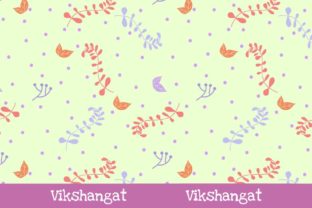
Floral Seamless Pattern 35: A Practical Guide to Avoiding Design Pitfalls
Selecting the right surface design asset is often where a project succeeds or fails before production even begins. Floral Seamless Pattern 35 offers a versatile botanical aesthetic that appeals to a wide range of creators, from textile designers to digital marketers. However, the visual appeal of a thumbnail can be deceptive. Many professionals and hobbyists alike download beautiful floral assets only to discover they are unsuitable for their specific technical requirements. Understanding the nuances of this specific pattern, including its file structure and application limits, is essential for achieving professional results without wasted time or budget.
Understanding the Asset Beyond the Preview
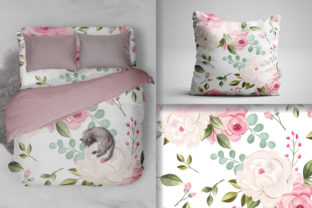
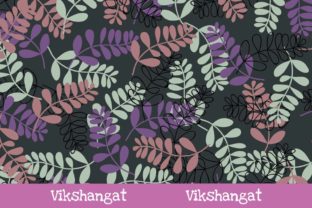
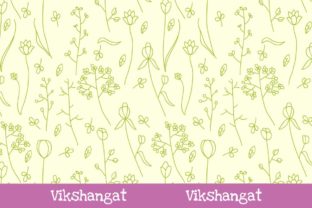
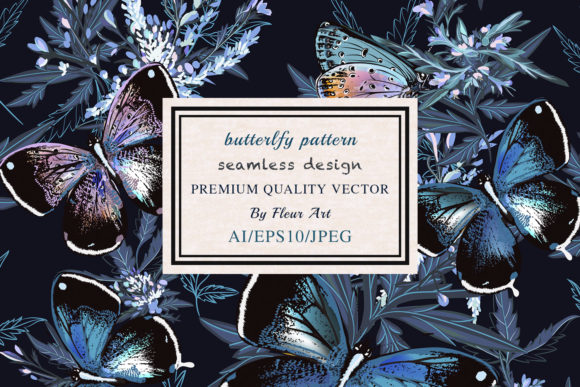
Floral Seamless Pattern 35 is designed as a repeating tile, meaning the edges align perfectly when placed side-by-side horizontally and vertically. This specific iteration typically features a balanced composition of botanical elements suitable for fabric, textile, gift wrap, wallpaper, surface designer projects, background, backdrop, and ornament applications. The interest in this pattern stems from its adaptability; it strikes a balance between intricate detail and negative space, allowing it to function as both a primary focal point and a subtle texture.
However, a common misunderstanding arises when users assume all seamless patterns behave identically across different mediums. A pattern optimized for web backgrounds may lack the resolution required for large-format wallpaper printing. Conversely, a high-density vector file might be overkill for a simple social media post, causing software lag. Before integrating Floral Seamless Pattern 35 into your workflow, you must define the end-use clearly. If you are designing for print-on-demand apparel, the repeat size and color profile matter significantly more than if you are creating a digital invitation suite.
Critical File Format Mistakes: JPEG vs. PNG vs. EPS
The most frequent error occurs during the file selection phase. Floral Seamless Pattern 35 is typically available in multiple formats, and choosing the wrong one can compromise quality. Each format serves a distinct purpose, and using them interchangeably is a recipe for frustration.
- JPEG Files: These are best reserved for digital mockups, client presentations, or low-resolution web use. A critical mistake is attempting to print large-scale textiles or wallpapers using a standard JPEG. Because JPEGs are raster-based and lossy compressed, scaling them up results in pixelation and artifacting. Always check the DPI (dots per inch) before committing to a JPEG for physical products.
- PNG Files: Use these when transparency is required or when you need a lossless raster image for digital overlays. While superior to JPEGs for quality, PNGs still have fixed dimensions. If your project requires resizing beyond the native resolution of the PNG version of Floral Seamless Pattern 35, you will face degradation.
- .EPS Files: This is the industry standard for professional surface design. The .EPS (Encapsulated PostScript) format is vector-based, meaning it is mathematically defined rather than pixel-based. You can scale an .EPS file to the size of a billboard or shrink it to a postage stamp without losing a single line of crispness. Neglecting the .EPS file when designing for fabric or wallpaper is a costly oversight that limits your production capabilities.
Color Management and Print Readiness
Another overlooked detail involves color space. Digital screens display colors in RGB (Red, Green, Blue), while commercial printers and textile manufacturers use CMYK (Cyan, Magenta, Yellow, Key/Black). Floral Seamless Pattern 35 may appear vibrant and neon on your monitor, but those specific hues might not be reproducible in ink or thread.
Before sending this pattern to production, verify the color profile embedded in the file. If you are working with the .EPS version, open it in Adobe Illustrator or similar vector software to inspect the swatches. Converting from RGB to CMYK can sometimes cause colors to shift toward duller tones. Experienced designers anticipate this by adjusting saturation and contrast after conversion to ensure the final printed result matches the original vision. Relying solely on the screen preview is a gamble that often leads to disappointing samples and reprints.
Evaluating Scale and Repeat Logic
Seamlessness does not automatically guarantee appropriate scale. A pattern might tile perfectly, but the motif size could be disproportionate to your intended product. For example, using a large-scale floral repeat on a small item like a scrunchie or phone case might result in showing only a fragmented portion of the flower, which can look unintentional or messy.
When evaluating Floral Seamless Pattern 35, create a test tile at actual size. Print it out on standard paper or view it on-screen at 100% zoom relative to your product dimensions. Ask yourself if the negative space feels too empty or too crowded at that specific scale. The advantage of the .EPS file becomes apparent here; if the scale is incorrect, you can adjust the artwork globally within minutes. With a raster JPEG or PNG, correcting scale issues often requires finding a higher resolution source or accepting lower quality.
Licensing and Commercial Viability
For entrepreneurs and small business owners, the legal aspect of using stock patterns is just as important as the technical side. A common pitfall is assuming that purchasing a file grants unlimited usage rights. Licensing terms for Floral Seamless Pattern 35 can vary significantly depending on the marketplace or creator.
Always read the license agreement specifically regarding:
- End Product Limits: Some licenses cap the number of units you can sell (e.g., 500 items) before requiring an extended license.
- Modification Requirements: Certain licenses require you to alter the pattern significantly before selling it as part of a new product. Simply placing the unaltered pattern on a tote bag may violate terms.
- Digital Redistribution: Using the pattern as a standalone digital background for sale is almost universally prohibited. Ensure your application adds significant value and transforms the asset.
Ignoring these details can lead to takedown notices or legal disputes. It is far better to clarify usage rights upfront than to build a brand identity around an asset you cannot legally scale.
Making Informed Decisions for Better Outcomes
Floral Seamless Pattern 35 is a powerful tool when applied correctly. To maximize its potential, approach the asset with a checklist rather than impulse. Verify the resolution meets your print requirements, prioritize the .EPS file for scalability, confirm color profiles match your output method, test the scale against real-world dimensions, and validate your commercial license.
By addressing these practical considerations early, you move beyond simple decoration and into professional surface design. Whether you are creating custom gift wrap, designing a boutique textile line, or crafting digital backdrops, the difference between amateur and professional results often lies in these foundational technical decisions. Take the time to evaluate the asset thoroughly, and Floral Seamless Pattern 35 will serve as a reliable, high-quality component of your creative toolkit.