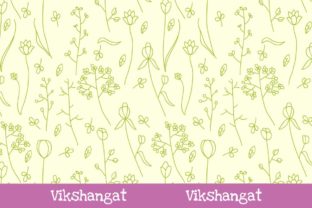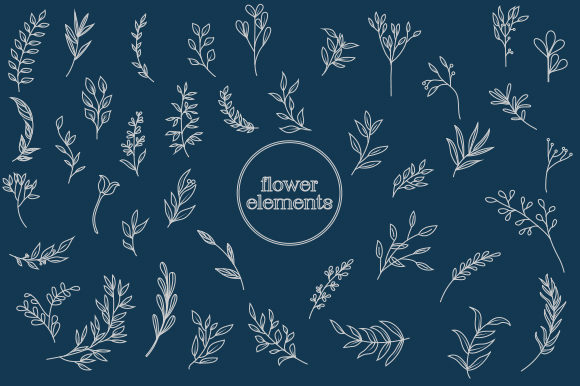
Hand-Drawn Floral Vintage: A Practical Design Asset
There is a distinct warmth to hand-drawn floral vintage elements that digital generation often struggles to replicate. These assets carry the imperfections of ink on paper, the varying line weights of a human hand, and a sense of history that grounds modern design. For creators and business owners, utilizing a set of hand-drawn floral vintage elements is not merely about applying a retro filter; it is about accessing a library of organic textures that communicate authenticity, craftsmanship, and timeless appeal. When you download a collection containing both JPG and EPS formats, you are securing versatility for projects ranging from web graphics to large-scale print production.
The Value of Authentic Botanical Illustration
In an era saturated with sleek, minimalist vector art and AI-generated imagery, hand-drawn floral vintage styles offer a necessary counterpoint. They evoke specific eras—Victorian botanical studies, 1970s folk art, or mid-century packaging—without feeling like a costume. The utility lies in their ability to soften corporate messaging, add narrative depth to product packaging, or create a cohesive visual identity for brands rooted in sustainability and heritage.
These elements work because they trigger nostalgia while remaining functional. Unlike rigid geometric patterns, organic floral lines guide the eye naturally across a layout. They provide negative space for typography without competing for attention. For marketers and bloggers, this means higher engagement through visuals that feel curated rather than stock. For educators and publishers, these illustrations break up dense text, making educational materials more approachable and visually digestible.
Navigating File Formats: JPG vs. EPS
A professional asset pack includes multiple formats for a reason. Understanding when to use each ensures your final output remains crisp and editable.
- EPS (Encapsulated PostScript): This is your master file. As a vector format, EPS files allow you to scale individual flowers, leaves, and stems to any size without pixelation. More importantly, they are editable in Adobe Illustrator or Affinity Designer. You can recolor elements to match a specific brand palette, separate layers to create custom arrangements, or adjust stroke weights. Always archive your EPS files as the primary source.
- JPG (Joint Photographic Experts Group): These are rasterized, pre-rendered versions ideal for quick implementation. Use JPGs for social media posts, website headers, email newsletters, or digital presentations where file size matters and editing is unnecessary. They are also useful for clients who do not have vector software but need to visualize a concept immediately.
Maintaining an organized folder structure separating these formats saves time during active projects. Keep vectors in a "Source" directory and rasters in a "Web Ready" or "Preview" folder to prevent accidental overwrites or format confusion.
Practical Applications Across Industries
The adaptability of hand-drawn floral vintage sets extends far beyond wedding invitations. Different professionals leverage these assets to solve specific communication challenges.
Branding and Packaging Design
Small business owners, particularly in cosmetics, food, beverage, and artisanal goods, rely on these elements to signal quality. A coffee roaster might use intricate vine work to frame label information, suggesting a slow-roasted, traditional process. A skincare brand could utilize delicate line-art florals to imply natural ingredients without using clichéd green leaf iconography. The key is restraint; let the illustration serve as a border or accent rather than overwhelming the product name and regulatory text.
Digital Content and Social Media
Bloggers and content creators face the challenge of maintaining visual consistency across hundreds of posts. A set of vintage florals acts as a modular design system. Create templates where floral elements anchor the corners or create dividers between sections. This establishes a recognizable aesthetic that strengthens personal branding. Because these elements are hand-drawn, they pair exceptionally well with serif typography and textured backgrounds, creating a tactile feel even on screens.
Editorial and Educational Materials
Publishers and educators can use these illustrations to contextualize content. Historical fiction book covers, nature journals, and curriculum worksheets benefit from imagery that feels period-appropriate yet legible. The detailed nature of vintage botanical drawing supports learning by providing accurate visual references, while the artistic style maintains reader interest better than clinical diagrams.
Styling and Composition Strategies
Owning the assets is only the first step; arranging them effectively requires intention. Hand-drawn floral vintage elements should enhance, not clutter.
Establish Hierarchy: Not every flower carries equal visual weight. Identify hero elements (large blooms, complex branches) and supporting elements (small buds, single leaves, dots). Build compositions around the hero pieces, using supporters to create flow and fill gaps. Avoid placing two high-detail elements directly adjacent unless you intend to create a dense pattern.
Color Adaptation: While vintage implies sepia or muted tones, these assets are surprisingly flexible when recolored. Try applying contemporary palettes to traditional forms for a fresh juxtaposition. A neon pink peony rendered in a 19th-century engraving style creates immediate visual intrigue. Conversely, desaturating colorful originals can unify disparate elements into a cohesive monochromatic scheme.
Texture Integration: Hand-drawn lines pair best with complementary textures. Overlay florals on paper grain, watercolor washes, or subtle noise gradients. This reinforces the analog origin of the artwork. Flat, solid-color backgrounds can sometimes make vintage illustrations look pasted-on; adding environmental texture integrates them into the composition seamlessly.
Maintaining Originality and Consistency
A common concern with downloadable asset packs is avoiding generic results. Here is how to keep your work distinctive:
- Mix and Match: Never rely solely on pre-assembled bouquets. Deconstruct the EPS files and reassemble individual components. Combining elements from different sets or mixing vintage florals with modern geometric shapes prevents the "template look."
- Custom Typography Pairing: Let the illustration style dictate your typeface choice. Ornate Victorian florals demand elegant serifs or refined scripts. Simpler folk-art flowers pair well with rounded sans-serifs or hand-lettering. The relationship between image and text defines the overall mood.
- Contextual Relevance: Choose botanical species that align with your message. Lavender suggests calm and wellness; roses imply romance or luxury; wildflowers convey freedom and informality. Researching plant symbolism adds a layer of meaning that resonates subconsciously with informed audiences.
- Limit Your Palette: Restrict colors to three or four hues maximum within a single design. Vintage illustrations already contain significant detail; adding unlimited color creates visual noise. A constrained palette forces cohesion and improves readability.
Ethical Usage and Licensing Awareness
Professional integrity matters. Always verify the license terms accompanying your ZIP file. Some packs allow commercial use in end products but prohibit reselling the raw assets or using them in logo trademarks. Respecting these boundaries protects both the original artist and your business from legal complications. When in doubt, document your usage and retain proof of purchase. Ethical sourcing is part of sustainable creative practice.
Building a Sustainable Creative Workflow
Hand-drawn floral vintage elements are investments in efficiency. Rather than illustrating every botanical element from scratch, designers can focus on layout, strategy, and customization. This accelerates project timelines while maintaining high artistic standards. For freelancers and agencies, having a curated library of trusted assets reduces revision cycles and client approval friction.
Start small. Download the pack, open the EPS files, and experiment with recoloring and rearranging before committing to a live project. Test how the elements interact with your existing brand guidelines. Save successful combinations as reusable symbols or smart objects. Over time, these assets become extensions of your creative vocabulary, enabling faster ideation and more confident execution.
The enduring appeal of hand-drawn floral vintage lies in its humanity. In leveraging these tools thoughtfully, you connect your audience to something tangible, crafted, and genuinely beautiful. Whether enhancing a digital campaign or printing limited-edition merchandise, these elements bridge past and present, proving that good design transcends trends.