Seamless Floral Wallpaper: Practical Applications for Design and Decor
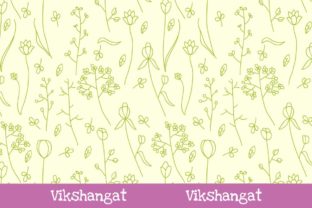
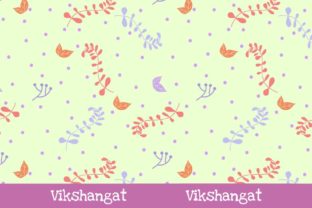
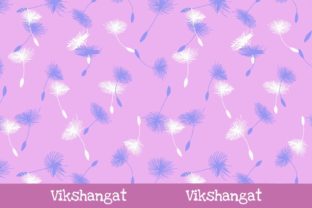
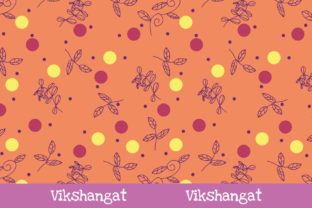
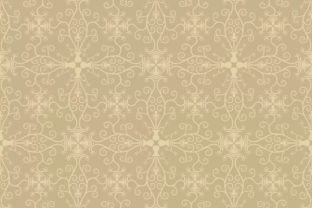
When designers and decorators talk about seamless floral wallpaper, they are referring to a specific type of surface pattern where the motif repeats perfectly across both horizontal and vertical axes without any visible breaks or misalignments. Unlike standard repeating patterns that might show a distinct grid line or an abrupt cutoff at the edges, true seamless designs create an infinite field of botanical art. This technical precision is what transforms a simple flower print into a professional-grade background suitable for everything from luxury packaging to large-scale interior murals.
The value of this asset lies in its versatility. A high-resolution JPG at 4000x4000 pixels provides immediate usability for digital mockups and web design, while the accompanying vector EPS file ensures that the same classic symmetric vintage aesthetic can be scaled to the size of a billboard or a business card without losing a single petal’s definition. Understanding how to leverage these two formats is key to getting the most out of your design resources.
Real-World Scenarios for Classic Symmetric Vintage Florals
The "classic symmetric vintage" style is not merely an aesthetic choice; it is a functional tool that communicates specific brand values and emotional tones. Because these patterns rely on balance and traditional motifs, they perform exceptionally well in industries where trust, heritage, and elegance are paramount.
Boutique Packaging and Unboxing Experiences
For small business owners selling handmade soaps, artisanal teas, or vintage-inspired jewelry, the unboxing experience is often the first physical touchpoint with a customer. Using seamless floral wallpaper as custom tissue paper or box liner elevates the perceived value of the product immediately. The symmetry of the vintage pattern suggests order and care, contrasting beautifully with the organic nature of handmade goods. Since the pattern is seamless, you can wrap items of irregular shapes without worrying about awkward visual seams disrupting the branding.
Digital Stationery and Wedding Suites
Wedding planners and stationery designers frequently utilize these assets because the 4000x4000 resolution is ideal for digital invitations. At this size, the texture remains crisp on high-DPI mobile screens and tablets. When a couple wants a timeless, romantic feel without the cost of hand-painted illustrations, a high-quality vector-based floral background serves as the perfect foundation. The EPS format allows designers to recolor the flowers to match specific wedding palettes—shifting from dusty rose to sage green in seconds—while maintaining the intricate linework characteristic of vintage engravings.
Interior Accent Walls and Retail Displays
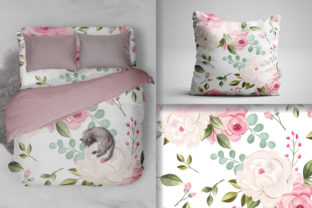
In physical spaces, seamless floral wallpaper solves a common problem in retail and hospitality design: covering large surfaces without visual fatigue. Asymmetric or chaotic patterns can sometimes feel overwhelming when applied to an entire wall. Symmetric vintage florals, however, have a rhythmic quality that feels calming and structured. For a café owner looking to create an Instagram-worthy corner, or a boutique hotel updating a lobby, the vector source file allows for printing at massive scales. You can blow up the pattern to 10 feet wide, and the lines will remain razor-sharp, avoiding the pixelation that plagues raster-only images.
Navigating File Formats: JPG vs. Vector EPS
Having both formats included in your asset library changes how you approach projects. It is important to understand when to deploy each one to avoid workflow bottlenecks.
- The 4000x4000 JPG: This is your rapid prototyping and digital-first workhorse. Use this for website backgrounds, social media templates, Etsy listing photos, and client presentations. It is lightweight enough to load quickly but detailed enough to show texture. However, be aware that if you stretch this beyond its native dimensions, quality will degrade.
- The Vector EPS: This is your production master. Use this for print manufacturing, laser cutting, vinyl decals, and large-format signage. Because it is mathematically defined rather than pixel-based, you can separate color layers, adjust stroke weights, and scale infinitely. If a printer requests a bleed area larger than your JPG allows, the EPS is your safety net.
A practical tip for hybrid workflows: Start your design exploration with the JPG to get approval on the general vibe and scale. Only switch to the EPS file when you are ready for final output or need to make significant color corrections. This keeps your design software running smoothly during the creative phase.
Considerations Before Application
While seamless floral wallpaper is incredibly useful, successful implementation requires attention to context. The "vintage" label covers a wide spectrum, and choosing the wrong variation can clash with your intended message.
Scale and Proportion
One of the most common mistakes is ignoring the relationship between the pattern repeat size and the object being decorated. A large-scale symmetric floral might look stunning on a feature wall but could appear cluttered and unrecognizable on a smartphone case or a bookmark. Conversely, a tiny, dense repeat might look like noise from a distance on a stage backdrop. Always test the pattern at actual size before committing to production. The vector format makes this testing easy, as you can simulate different scales instantly.
Color Psychology and Era Specificity
Vintage florals carry historical baggage. A Victorian-era dark ground floral evokes moody sophistication and works well for gothic romance book covers or speakeasy menus. A mid-century pastel floral suggests retro optimism and fits children’s apparel or kitchen textiles. Before applying a seamless pattern, consider what era the symmetry references. If you are using the EPS file to recolor, ensure the new palette respects the original drawing style. Neon colors on a delicate Art Nouveau stem can create a jarring dissonance unless that clash is intentional.
Licensing and Commercial Use
Always verify the specific license terms associated with your downloaded assets. While many seamless floral wallpapers allow for commercial use in end products (like selling a dress made with the fabric), some restrict usage in digital templates for resale or require attribution. For professional designers building a toolkit, keeping a spreadsheet of license types prevents future legal headaches. The presence of an EPS file often indicates a premium or professional-grade asset, which may come with broader commercial rights, but confirmation is essential.
Overcoming Common Limitations
Even high-quality seamless patterns have limitations. Symmetric vintage designs can sometimes feel too rigid or formal for brands aiming for a raw, organic, or modern minimalist identity. In these cases, the pattern might need to be broken up. Designers often use the vector file to isolate individual floral elements, scattering them manually to create a new, asymmetric layout that retains the vintage charm but loses the grid-like formality.
Additionally, monitor calibration matters. Vintage florals often rely on subtle tonal variations in shading to create depth. What looks like a rich, dimensional shadow on your calibrated studio monitor might print as a flat grey blob on uncoated paper. When working with the 4000x4000 JPG for print, always request a physical proof. The vector EPS offers more control here, as you can adjust the opacity and blending modes specifically for the substrate you are printing on, ensuring those delicate vintage details survive the translation from screen to surface.
Ultimately, seamless floral wallpaper serves as a bridge between historical artistry and modern efficiency. Whether you are wrapping a gift, designing a wedding suite, or branding a heritage hotel, the combination of ready-to-use raster files and editable vectors provides the flexibility needed to execute professional results. By respecting the scale, understanding the format differences, and matching the vintage tone to your audience's expectations, these patterns become more than just decoration—they become integral components of effective visual communication.